 P-01
Cat Invaders
Arcade shooterA feline fleet descends. Hold the line.
Arrows · Space · P · Touch
Play now

Something rare is loading.
0%
Game Maker · Legendary
I made a game where bad drawings are the whole point.
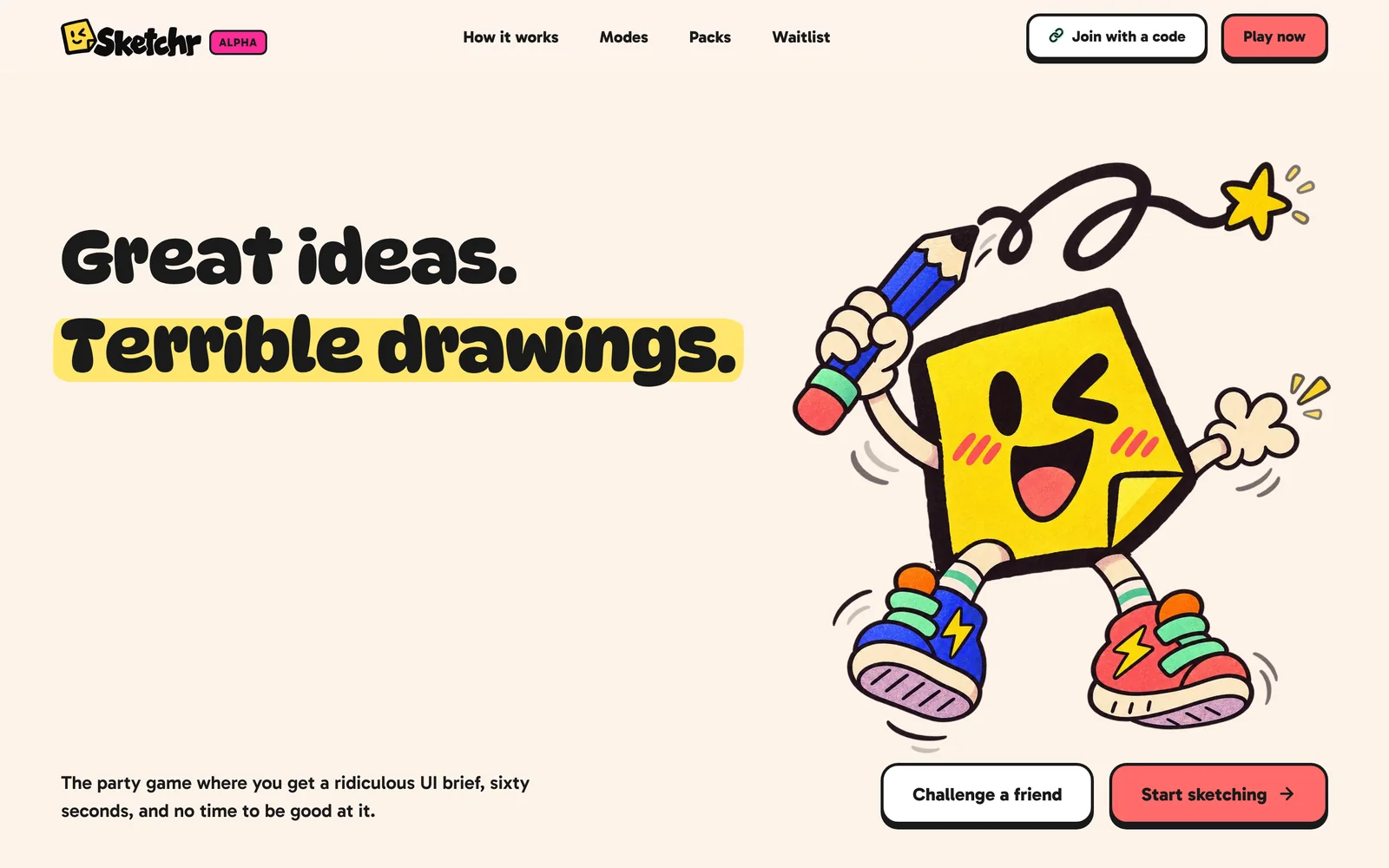
Great ideas. Terrible drawings. Sketchr turns ridiculous UI briefs into fast, social sketching challenges. Players get the same prompt, a ticking clock, and just enough time to make something wonderfully questionable.
I took it from an idea to a live multiplayer product, owning everything from the game mechanics and user experience to the visual identity, front-end development, and launch.
Sketching is one of the quickest ways to explore an idea. But put a blank canvas in front of someone, and suddenly there's pressure to make something good.
I wanted to explore the opposite: a space where speed mattered more than polish, constraints sparked creativity, and the results were something people wanted to share rather than perfect.
That's where Sketchr started.
Not as another design tool, but as a game built around the messy, funny part of making things.
The game had to work for someone who sketches interfaces every day and someone who has never opened a design tool.
Three design questions shaped the experience:
The challenge wasn't adding more features. It was deciding what the experience could do without.
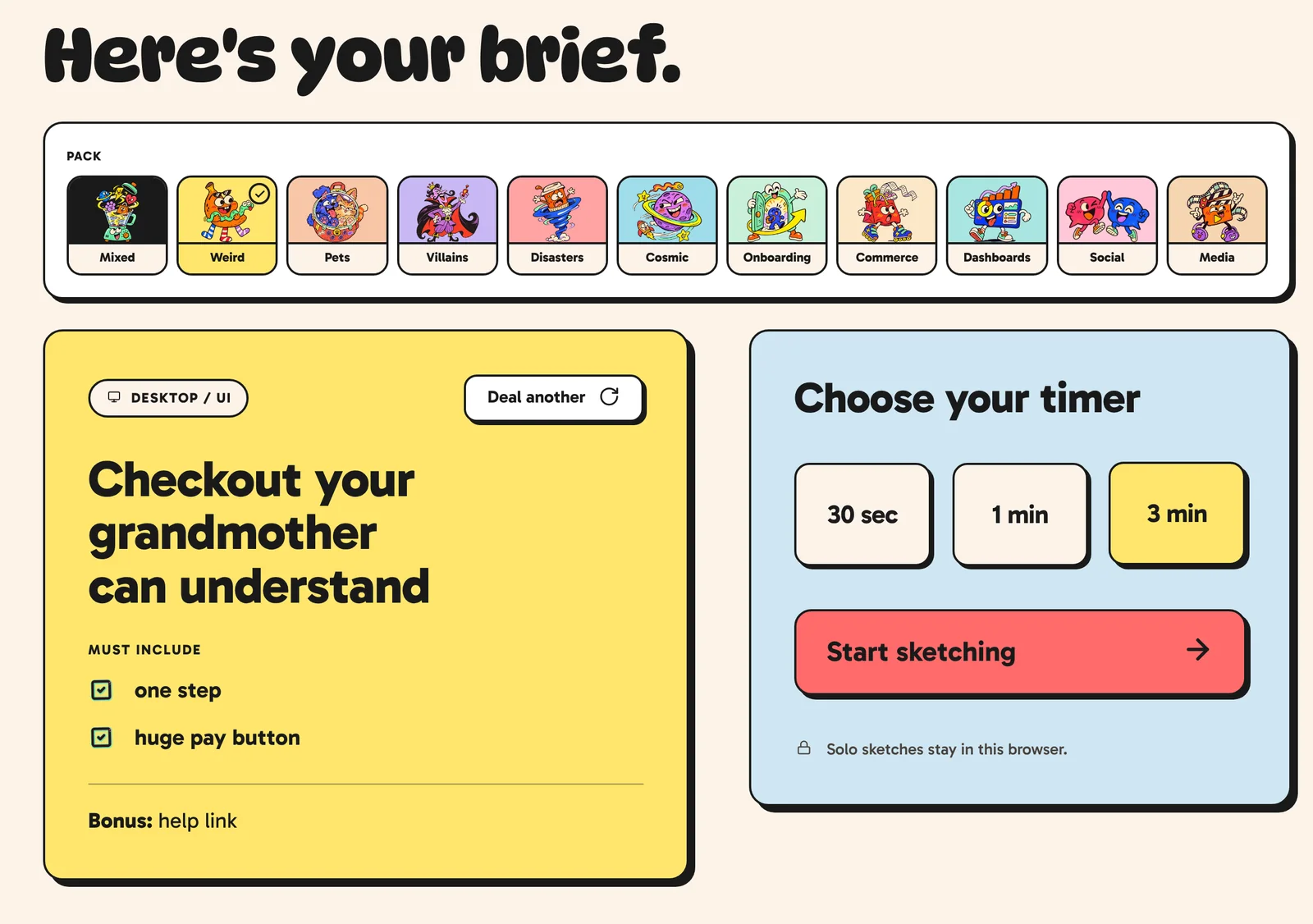
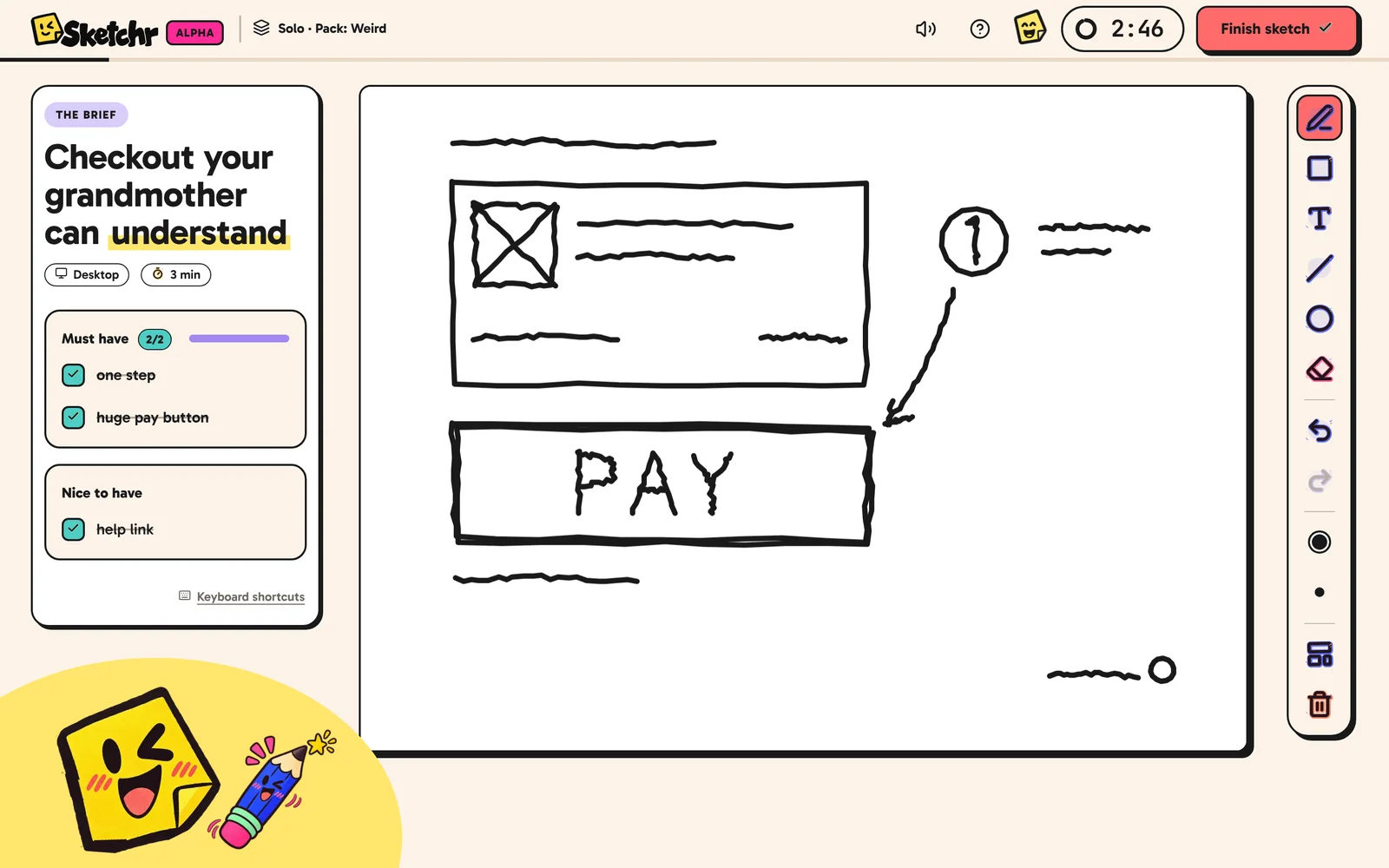
Every round begins with a brief card containing a ridiculous interface challenge, two must-haves, and an optional bonus.
The constraints give players somewhere to start without telling them what to create.
In Solo, players choose a clock of 30 seconds, one minute, or three minutes. In Party, the host sets one clock for the whole room. Either way, the brief remains visible, the canvas takes priority, and the drawing tools stay intentionally simple.
Rather than designing three separate games, I built three ways into the same core experience.
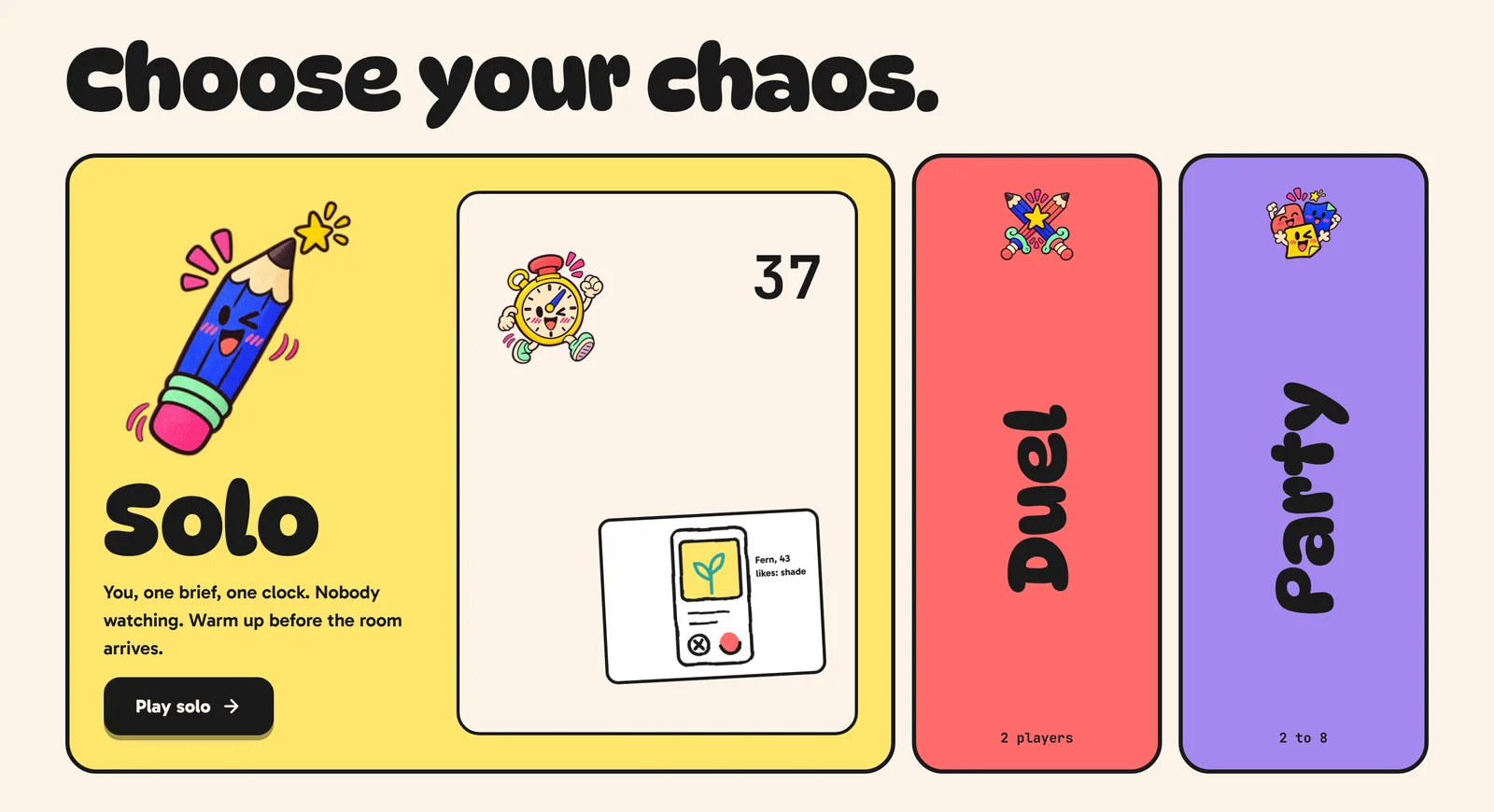
The mechanics change, but the fundamental rhythm stays familiar: get a brief, make something, reveal it, and go again. Players learn the game once instead of relearning it every time they switch modes.
I made a deliberate choice not to fill Sketchr with AI opponents or simulated activity.
The fun comes from knowing a real person drew the absurd thing you're looking at.
The same principle shaped onboarding: no account required, no unnecessary profile creation, and no setup before trying the game.
Solo sketches stay in the player's browser, while multiplayer play uses shared links and rooms.
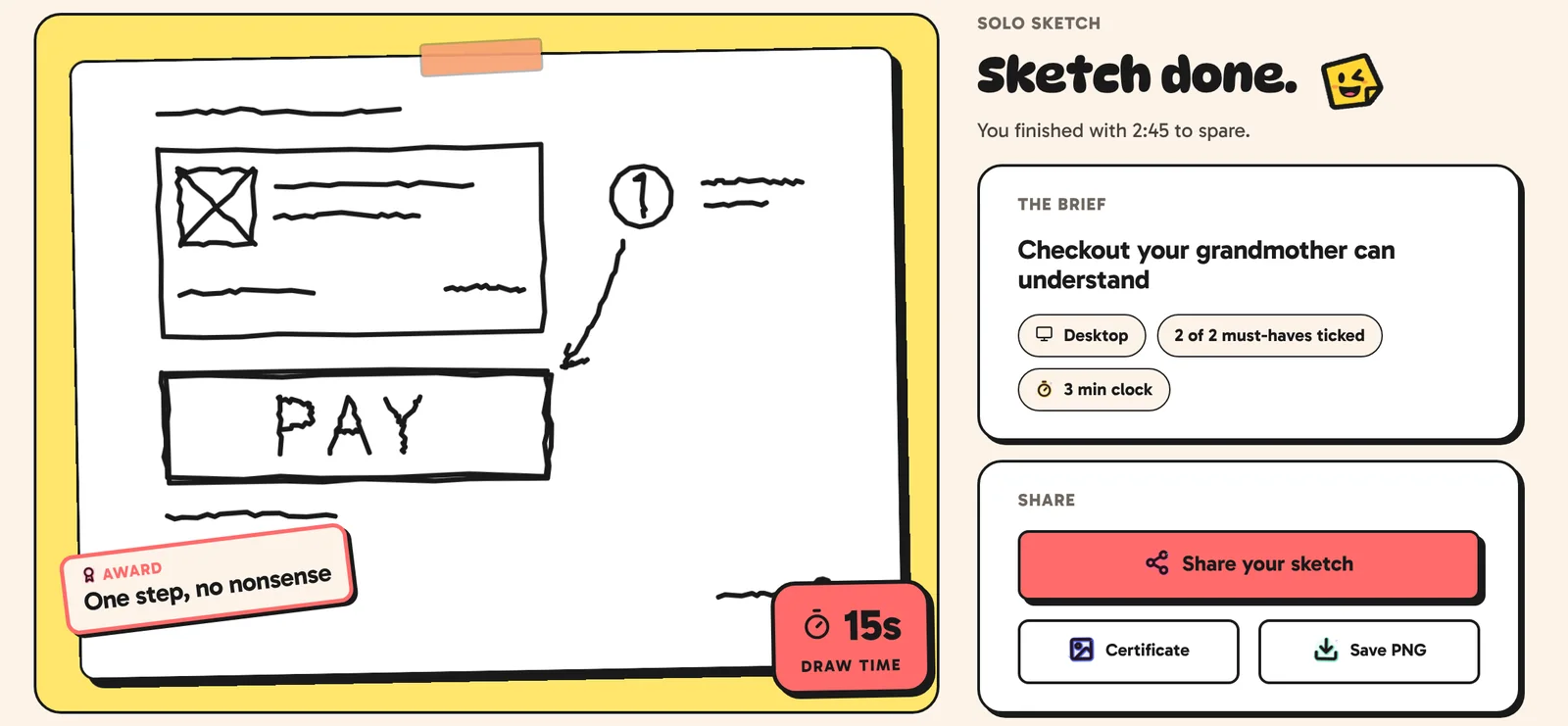
Sketchr needed to make people comfortable drawing badly before they even touched the canvas.
That shaped the visual identity: expressive typography, bold colors, illustrated challenge packs, and a playful mascot.
But the game interface had a different responsibility. Timers, instructions, tools, and room controls had to remain readable and predictable, even when everything else felt chaotic.
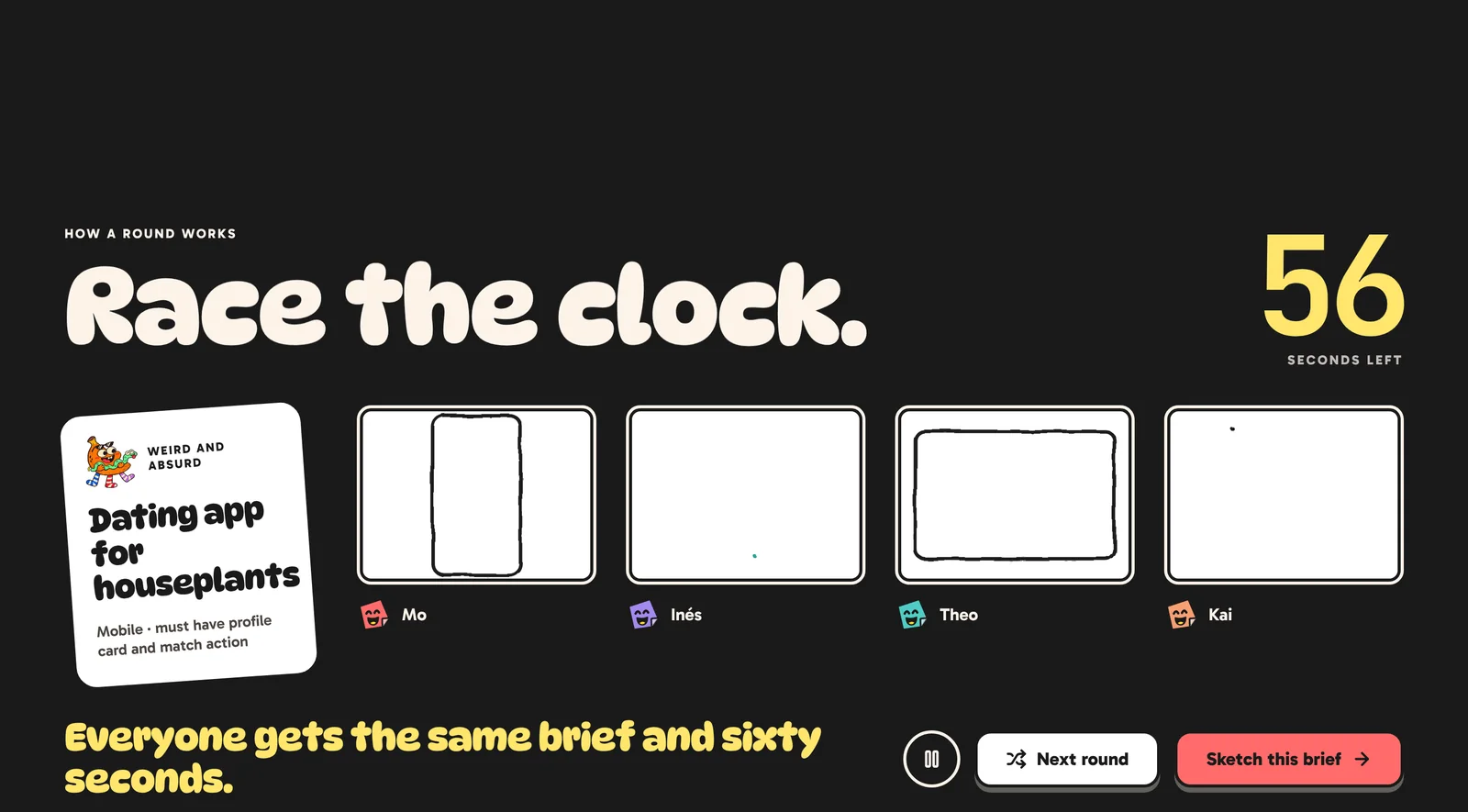
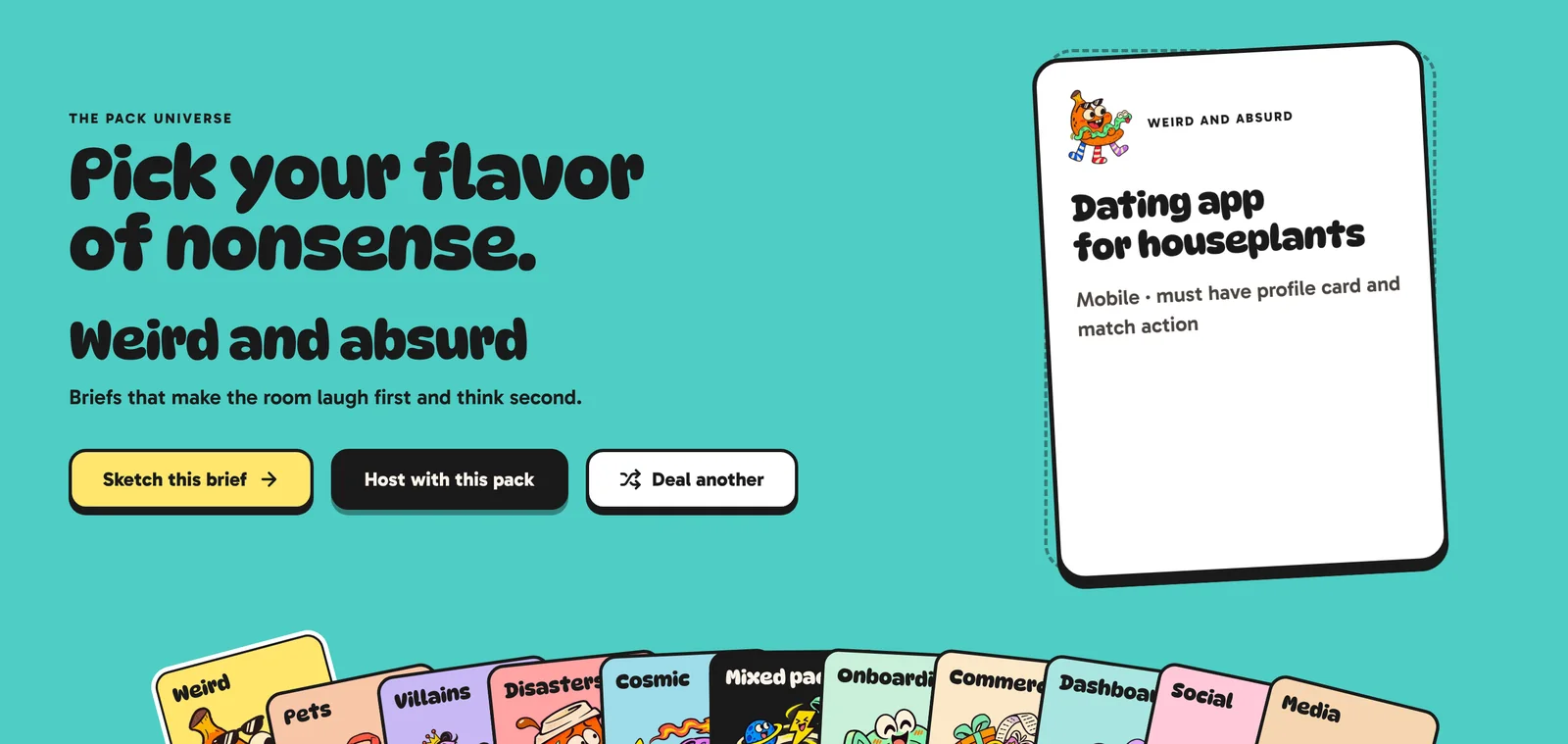
So the personality sits around the experience, not in the way of it. The brand creates the invitation. The interface makes playing easy.
Building it myself meant deciding more than how a screen should look: how people enter a game, share a challenge, and move from one state to the next. The Party judge is the clearest example.
In Party, one player sits the round out and scores everyone else, without knowing who drew what. The first version of that screen was a gallery: every sketch at once, a row of bare numbers under each card, and one button to submit the lot.
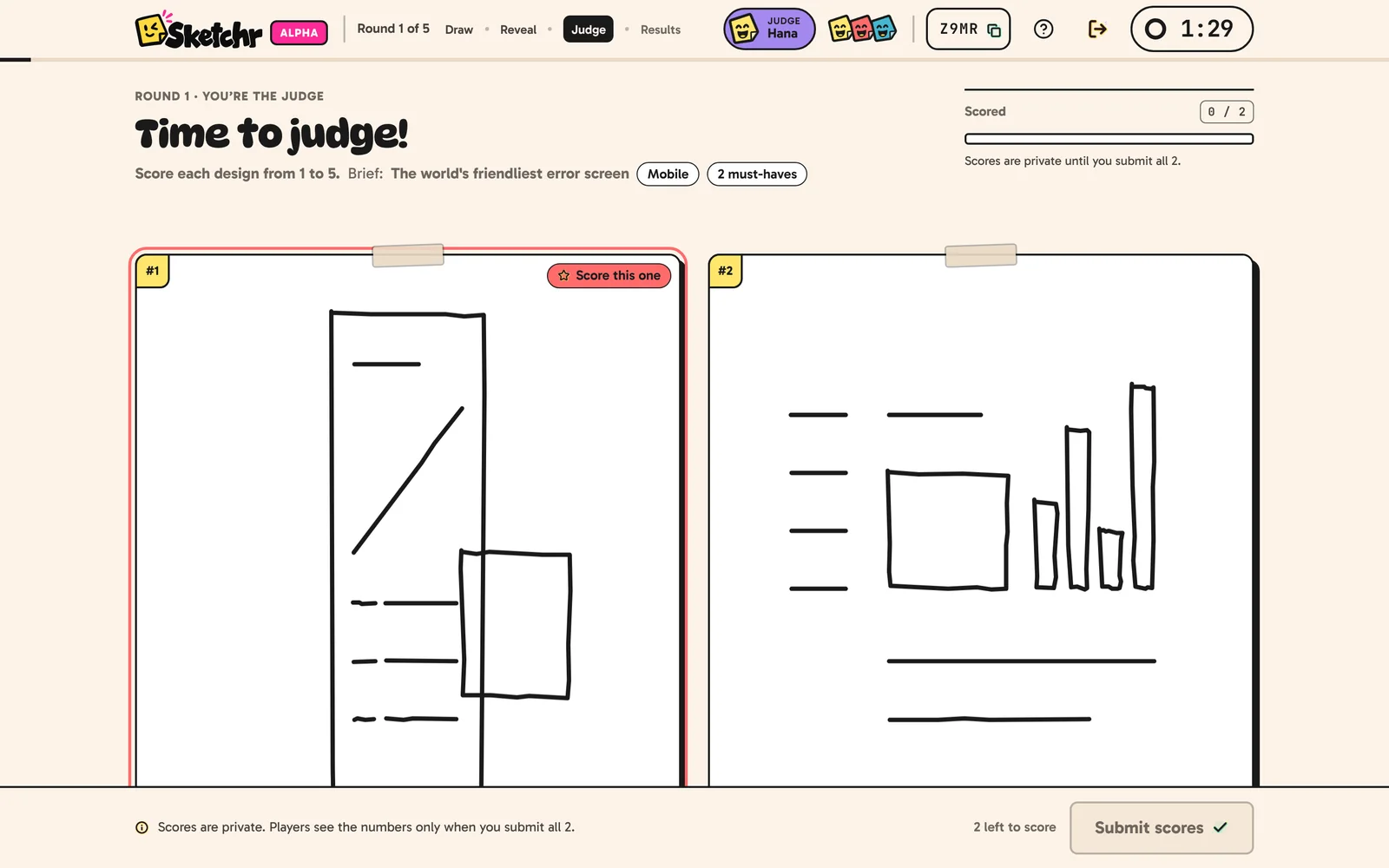
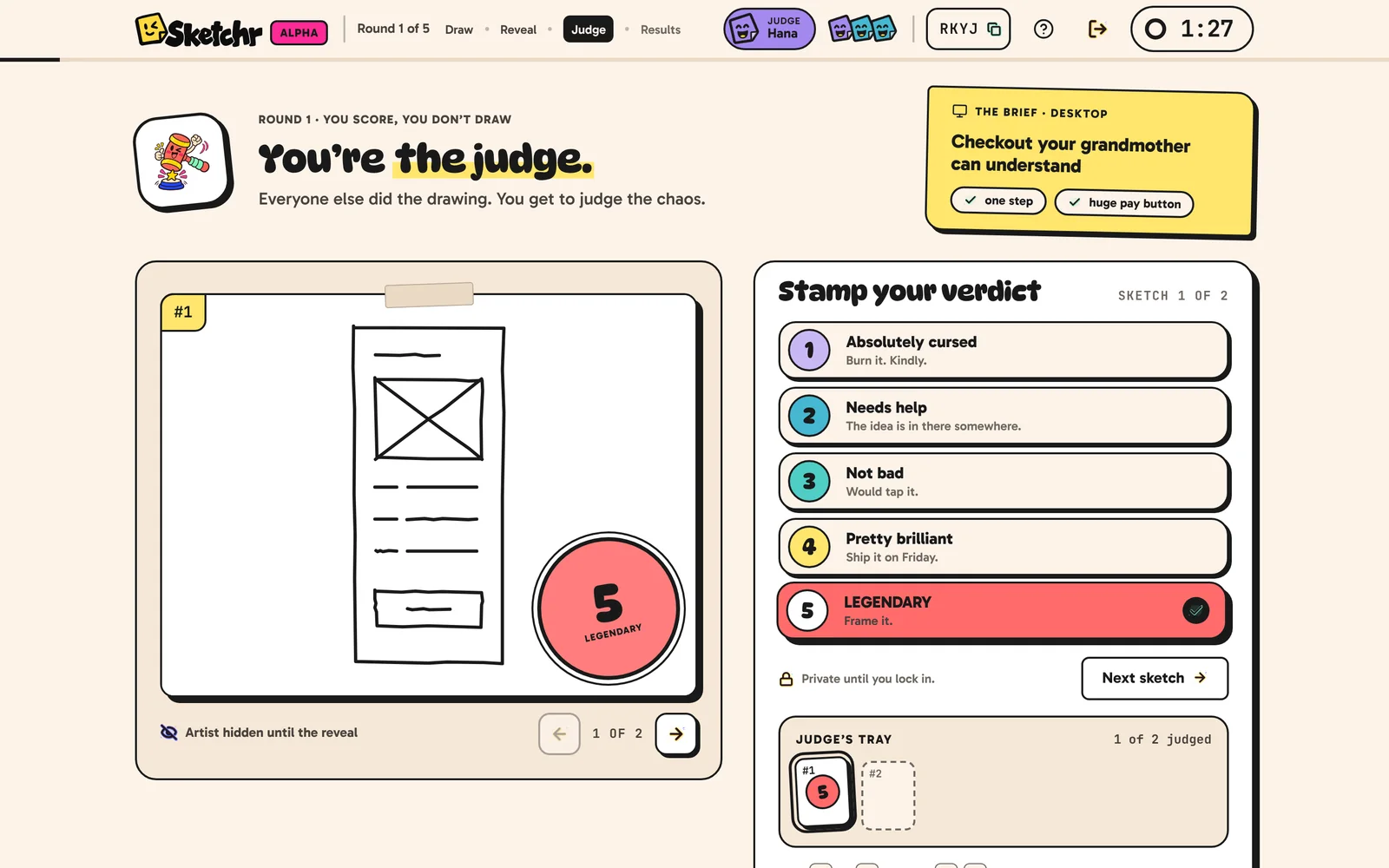
It worked, but it made judging feel like paperwork. On a laptop the score buttons sat below the fold, and they were bare numbers: what a 3 meant lived on an earlier screen.
The Judge's Desk puts one sketch on the easel at a time and swaps the numbers for five named verdicts, from Absolutely cursed to Legendary. Nothing locks in until every sketch has a verdict, and the artists stay hidden until the reveal. The scoring guide the judge reads while the others draw now uses the same five names, so the scale is learned once.
Sketchr opened as a public alpha in November 2026: free, in the browser, no account.
Solo, Duel and Party, all playable today.
ShippedIllustrated, from onboarding and dashboards to pets and villains.
ShippedEverything above is shipped and playable today. What the alpha has produced so far is not a set of metrics but a sharper game. Three changes were made between going live and announcing it:
Next come Sketchr for Teams, for groups larger than a Party room, and premium brief packs. Both have a waitlist on the site, and the eleven packs playable today stay free.
Sketchr is live and free to play. Pick a brief and start the clock.
For product leadership, ambitious projects, and interesting collaborations.
12+
Designing digital products, building design systems and shaping experiences from first concept to final launch.
About meEnd to end, across fintech, Web3, automotive, enterprise SaaS and more. Different industries, different challenges, same obsession with thoughtful design.
All case studies25+
Built from scratch and from existing designs.
15+
A paid UI library, three free Figma Community releases and an open-source agent toolkit.
Explore AI & Tools5
English, Spanish, Arabic and Catalan, with RTL and LTR designed in from the start.
4
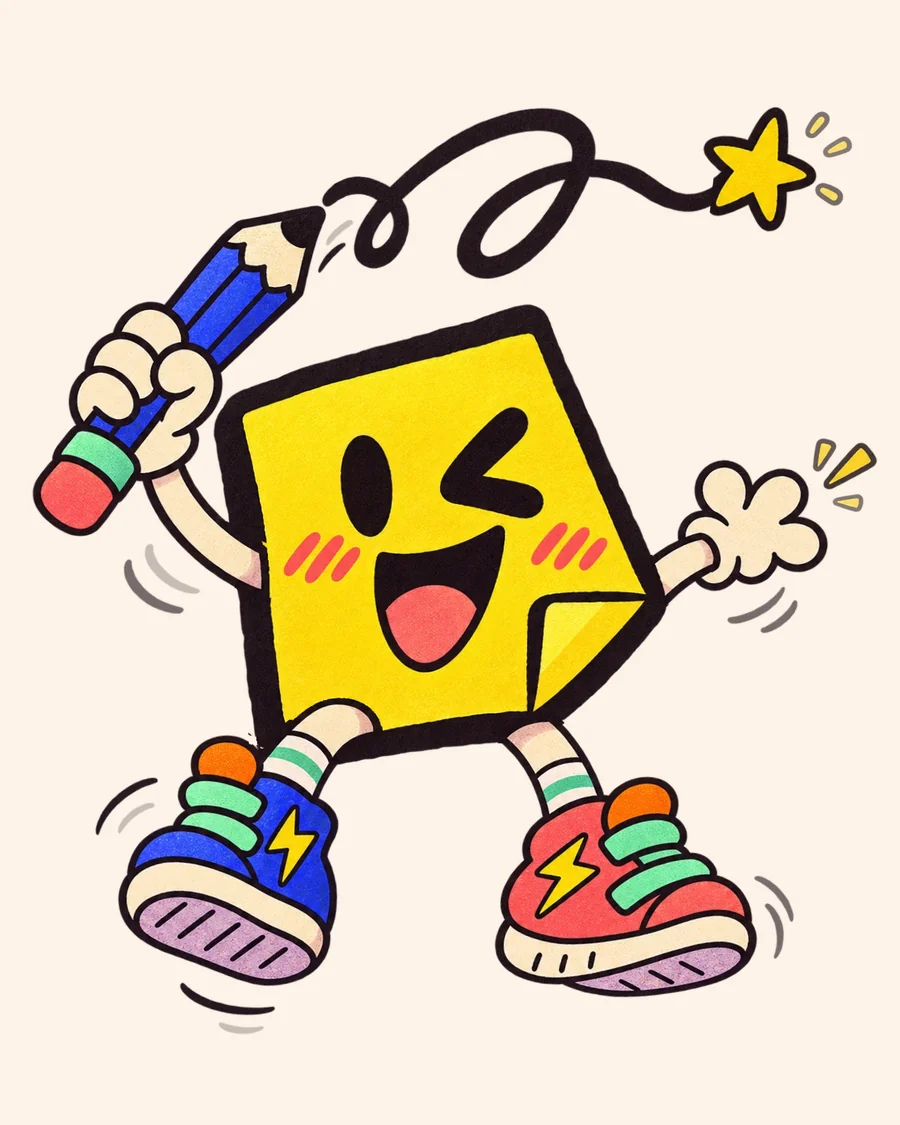
Sketchr
Game Maker
A game where bad drawings are the whole point.
My contribution
Took it from an idea to a live multiplayer product: mechanics, UX, identity, front end and launch.
View case study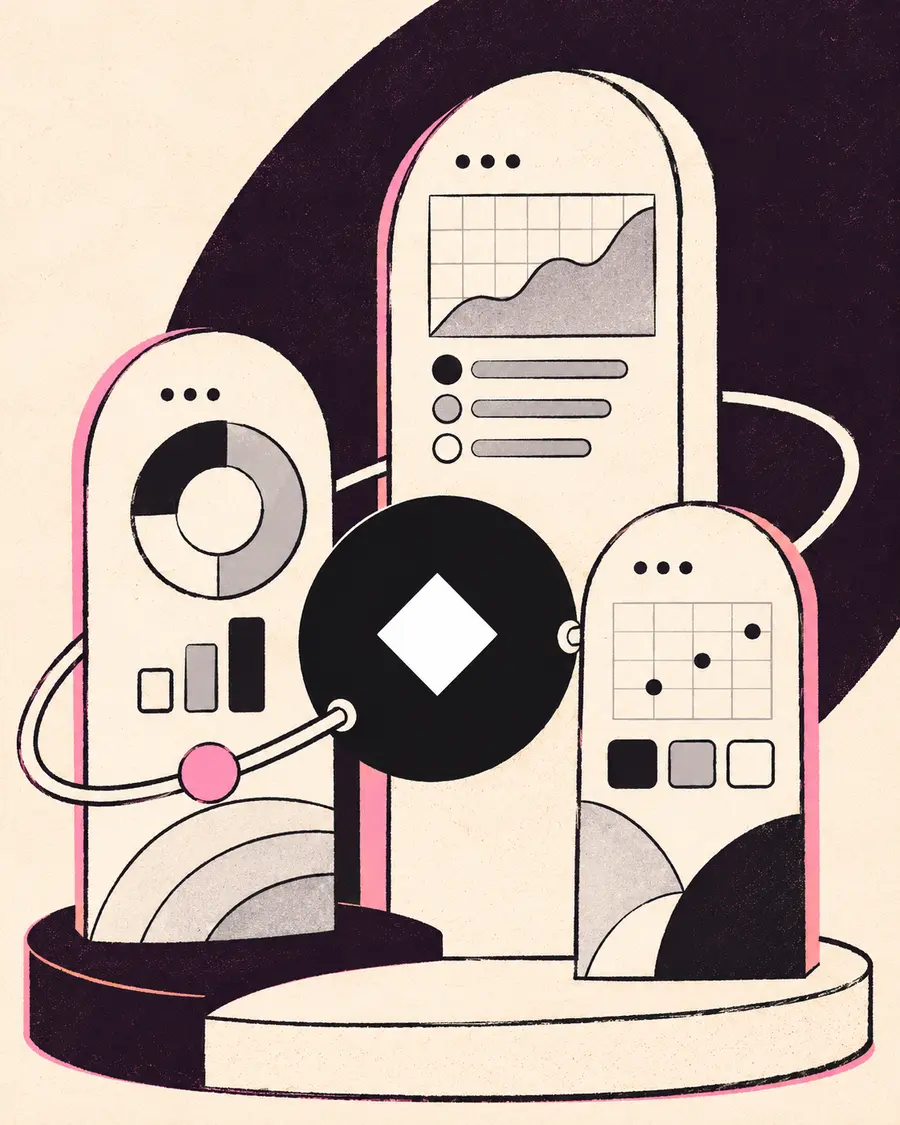
Oumla
Financial Strategist
Three financial products, in English and Arabic RTL.
My contribution
Led product design across the suite and built its three design systems.
View case study
AKASHA World
Systems Architect
Eight composable apps. One coherent social platform you own.
My contribution
Led the in-house design team across the apps, shared shell, wallet onboarding and moderation.
View case study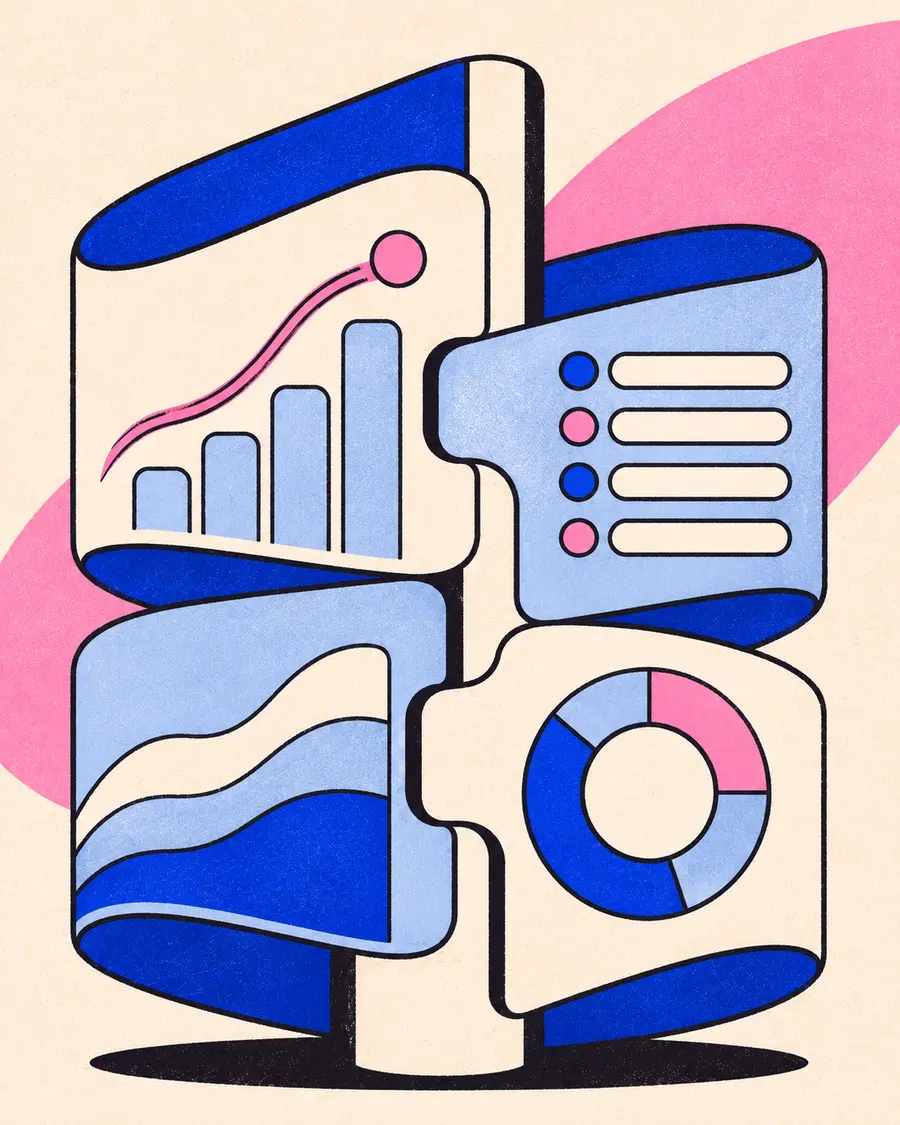
Strands Labs
Financial Strategist
One white-label platform for banks. Four products, 20+ languages.
My contribution
Owned four connected products and the design system criteria behind them.
View case study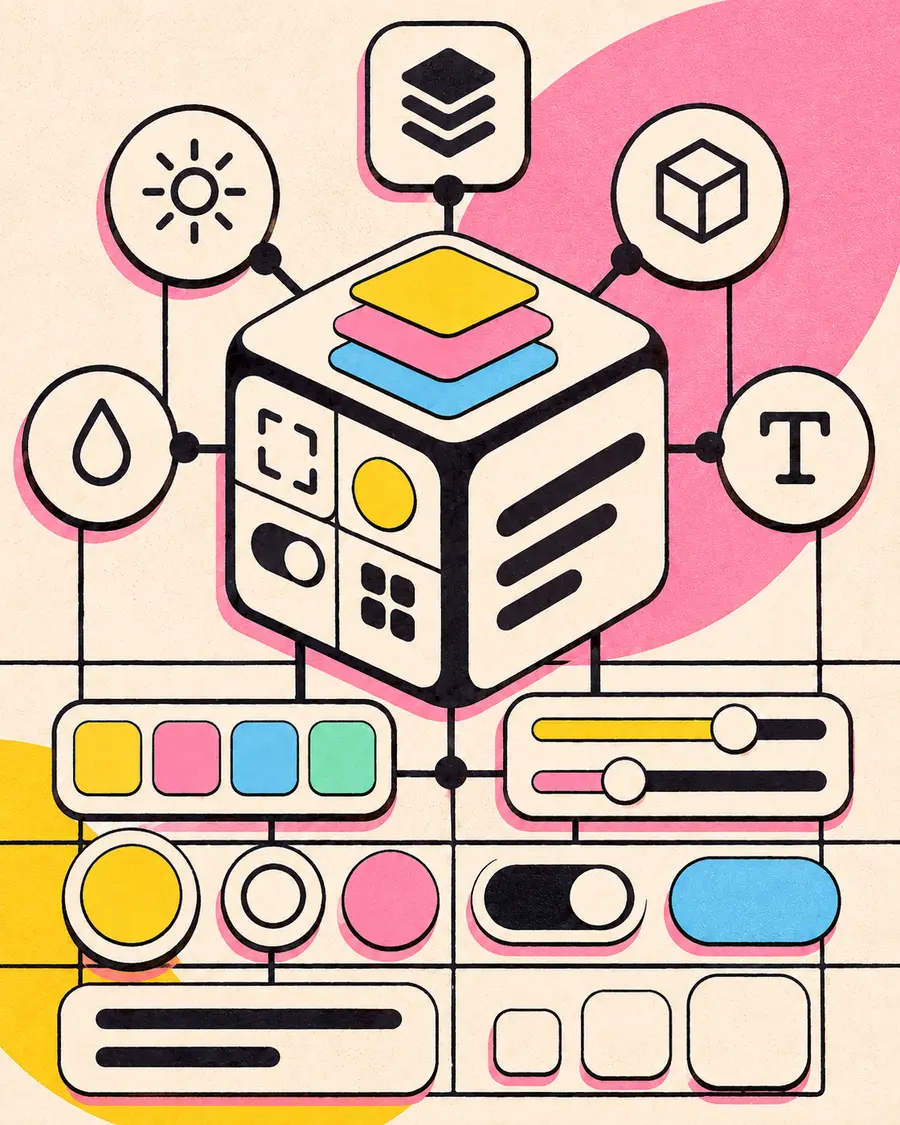
AKASHA UI System
Systems Architect
An open-source component library for the AKASHA World apps.
My contribution
Led the design, from token architecture to documentation, working directly with engineers.
View case study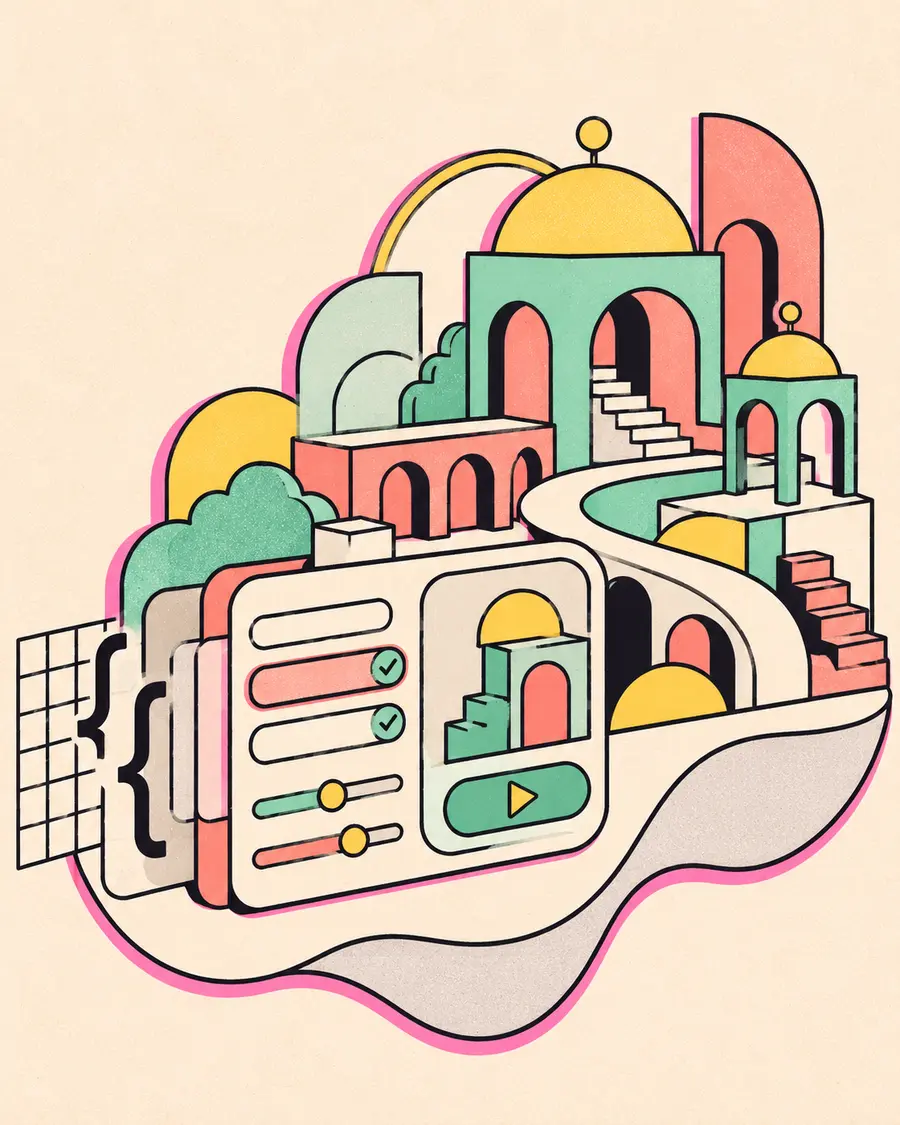
World Builder
Systems Architect
A developer-only config file became a guided, no-code form.
My contribution
Led the design: information architecture, forms, validation and Build Preview.
View case study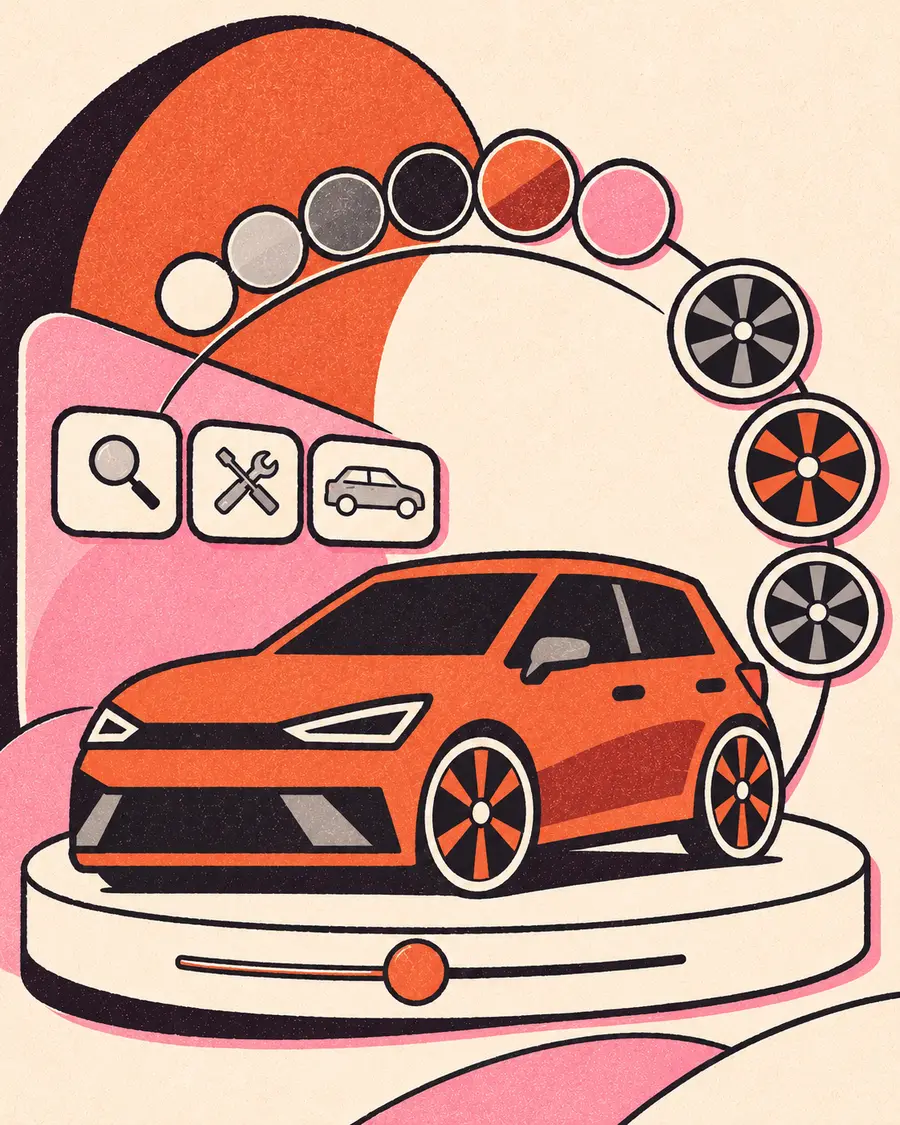
SEAT & CUPRA
Research Driver
Four automotive products, two brands, one bidirectional configurator.
My contribution
Owned Search and Aftersales. Collaborated on the Configurator and CUPRA Traveller.
View case study
Etherlaken
Sprint Specialist
Concept, identity, IA, design and handoff. One two-week sprint.
For product leadership, ambitious projects and interesting collaborations.
Let's talk hey@basma.designSelected product design case studies spanning digital platforms, complex workflows, financial products, and design systems. Explore the problems, decisions, and experiences I've helped bring to life.
After the collection: The Purrcade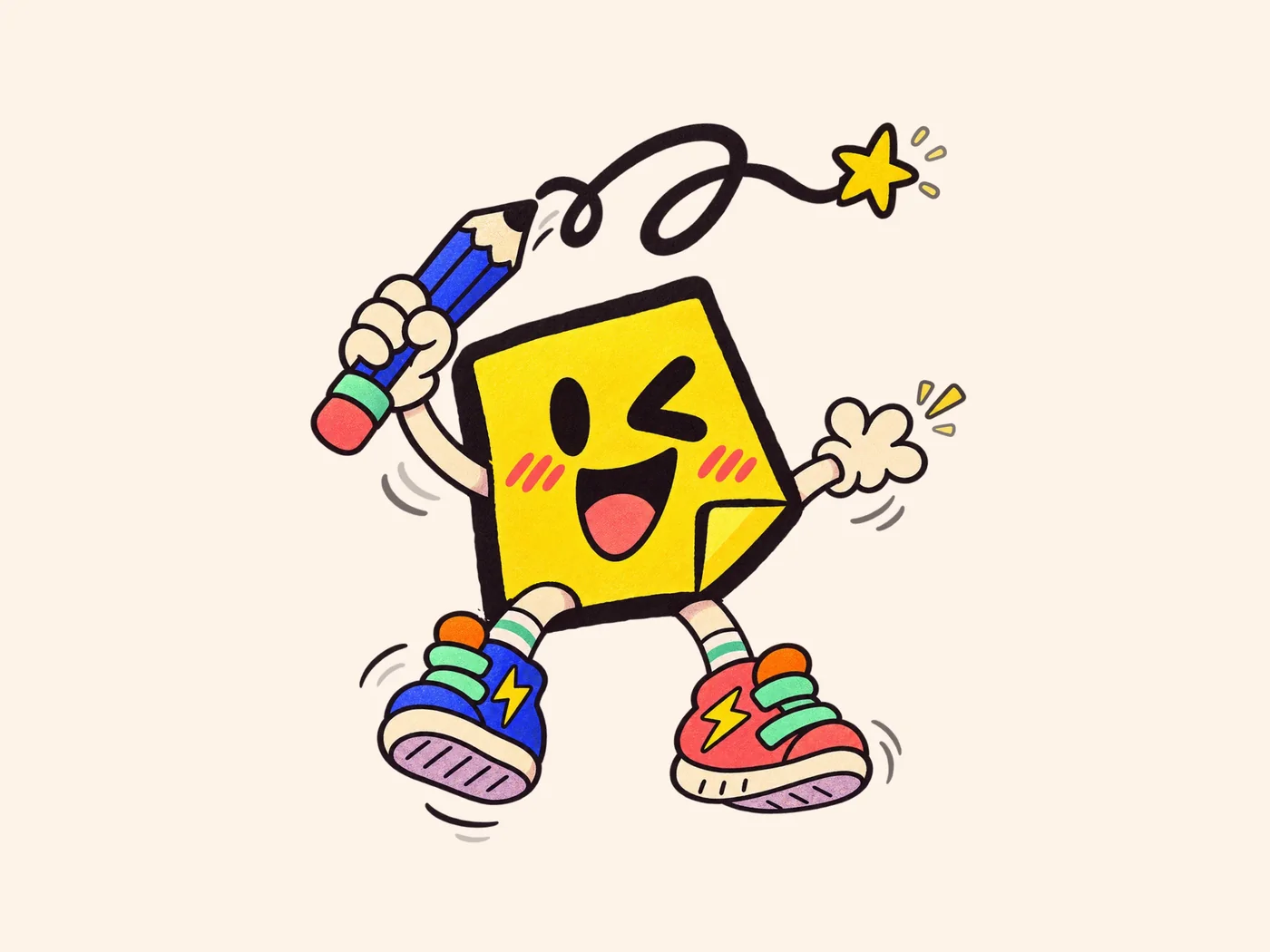
Multiplayer design game
A multiplayer sketching game where bad drawings are the whole point.
View case studyTokenized finance suite
Primary designer across a tokenized finance suite: three design systems, three products, English and Arabic RTL.
View case studyWeb3 social platform
Eight composable apps. One coherent social platform you own.
View case studyWhite-label banking
One white-label platform for banks. Four products, 20+ languages.
View case study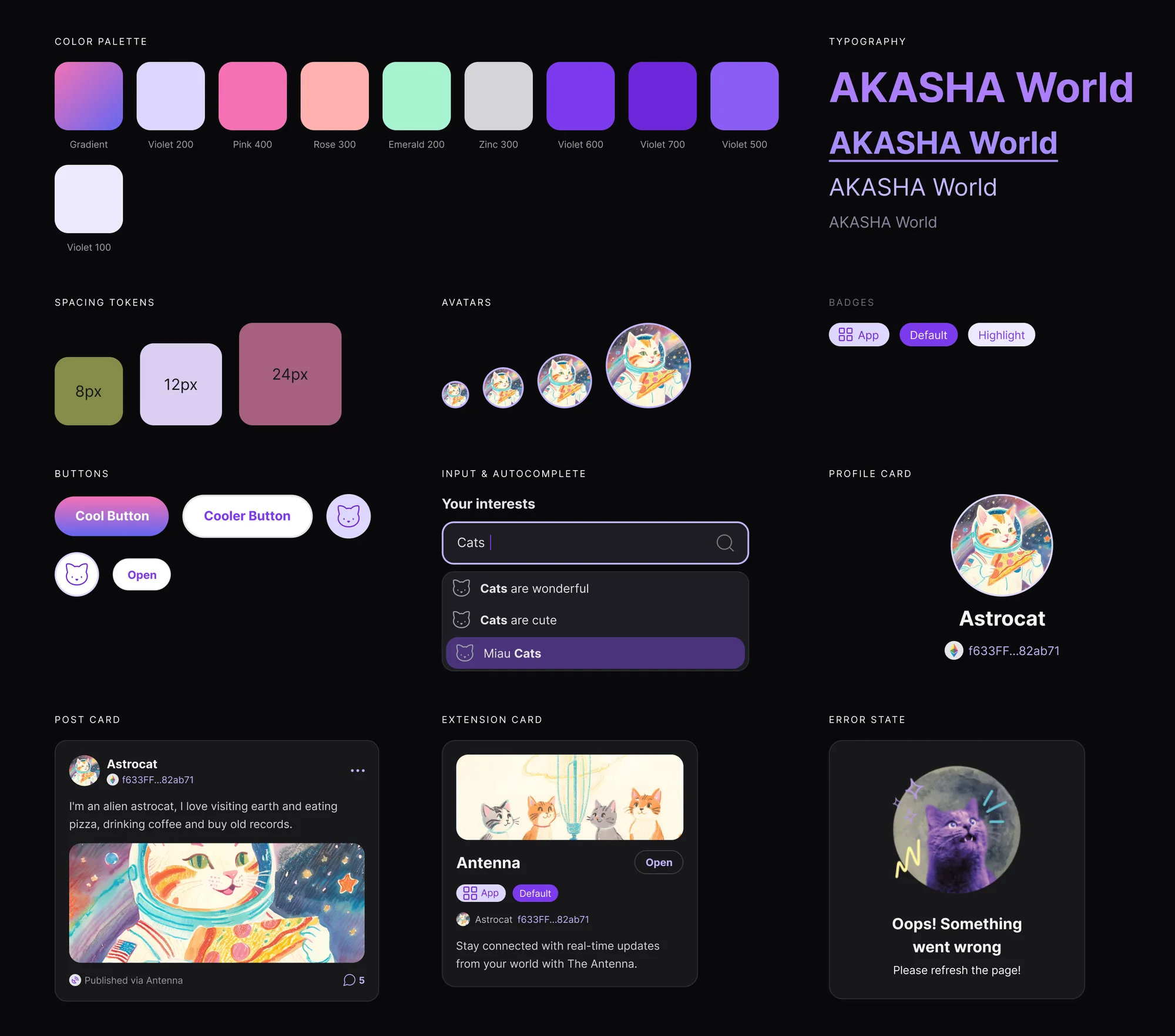
Open-source design system
An open-source component library for the AKASHA World apps.
View case studyNo-code Web3 config tool
Deploy a decentralized world without writing a line of code.
View case studyAutomotive products
Four automotive products, two brands, one bidirectional configurator.
View case study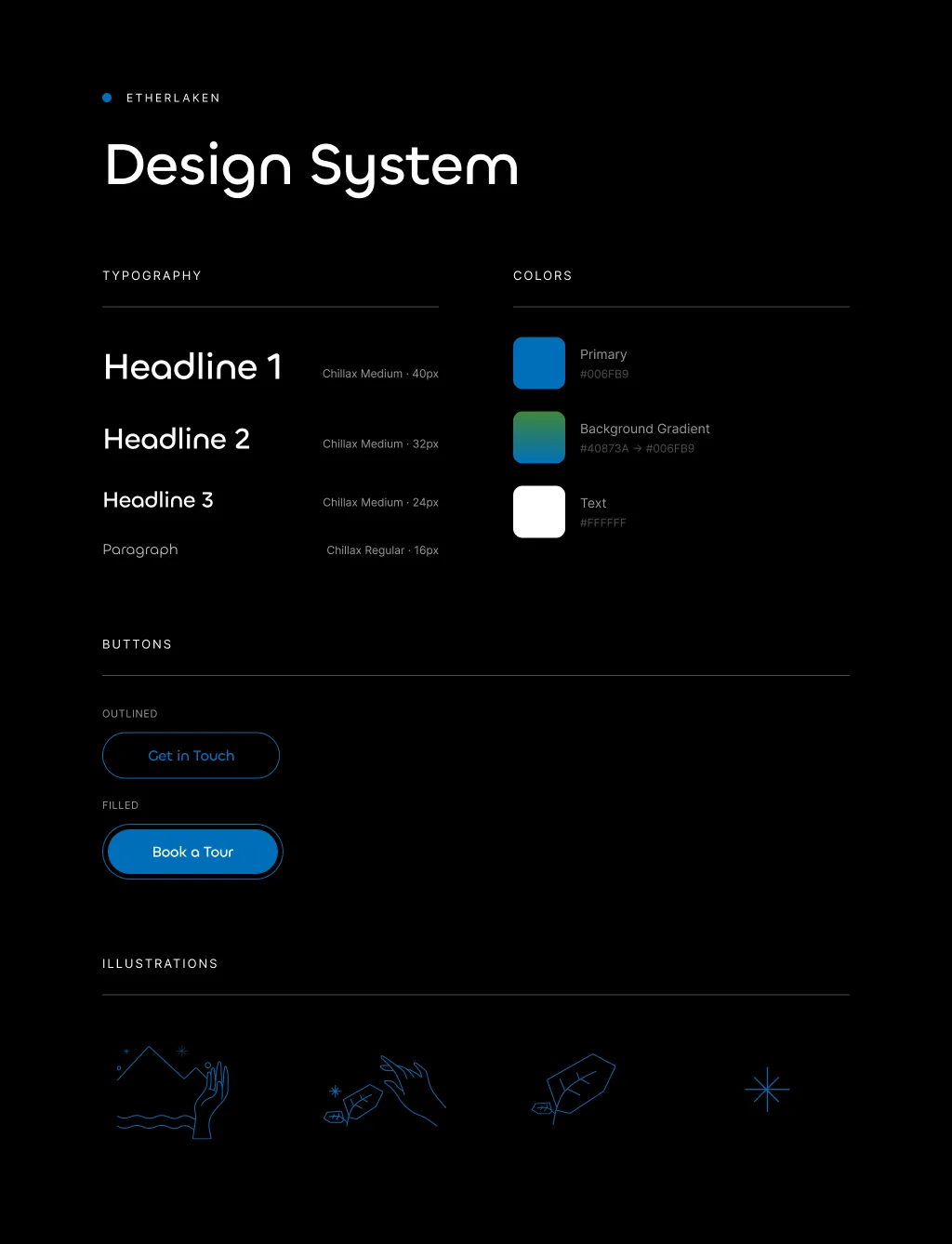
Identity and website
Concept, identity, IA, design and handoff. One two-week sprint.
View case studyNo cards in that category yet. Try another filter.
Tiny games. Big meow energy.
A playful corner of my portfolio for things I build just because they're fun.
404 · Card not found
The page may have moved. The case studies, products and everything else are one click away.
The person behind the pixels.
Lead Product Designer with 12+ years turning complicated products into experiences people actually understand.
I've shipped white-label banking platforms, decentralized apps, car configurators, e-commerce, taxation tools, education platforms and travel apps. My strength is working through complex projects with many stakeholders and little documentation.
Generalist by nature, with deep design systems expertise. I lead end-to-end, from strategy to pixel, and I build and ship my own design tools on the side.
Primary designer across the product suite (TFM, Dashboard, Bahith) plus website pages, booth materials and decks: product UX, design systems, marketing material, in English and Arabic RTL. Three design systems built with AI and agents, one from scratch and two derived from existing designs; sales and key-partnership decks; templates for the business team: slides, documents and official documents.
End-to-end UX for a decentralized social platform, design team lead, design system ownership, foundation events.
Four white-label fintech products: PFM, Engager, BFM, ESG dashboard. Brandable, localizable, accessible component system.
Digital experiences for a global education platform.
Configurator (RTL and LTR), unified search, aftersales research, CUPRA Traveller.
Design systems, MVPs and investor proposals for startups across fintech, SaaS, Web3 and enterprise. Mentoring junior designers.
Taught JavaScript to master's students.
Design systems, plugins and AI workflows built to remove friction from making good products. Some save clicks. Some change the way I work.
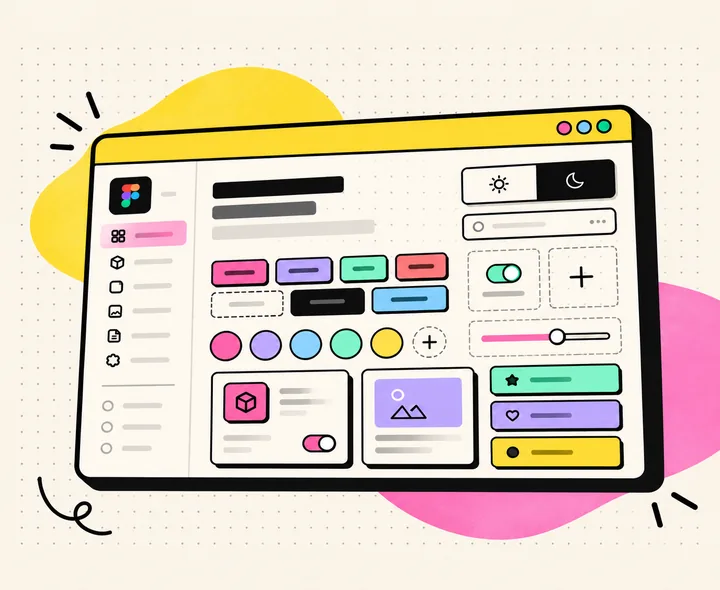
For designers who want a shadcn-style neo-brutalist system with real tokens.
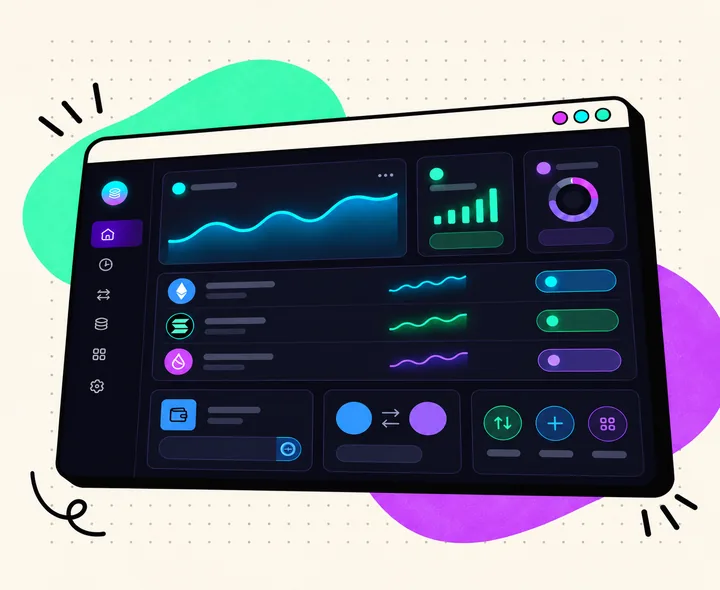
For teams building DeFi and Web3 finance products.
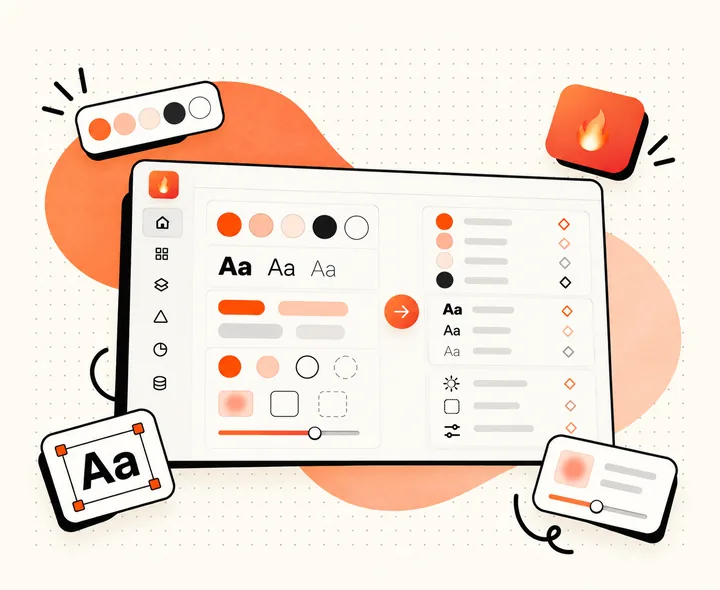
For design system owners migrating existing styles to Figma Variables.
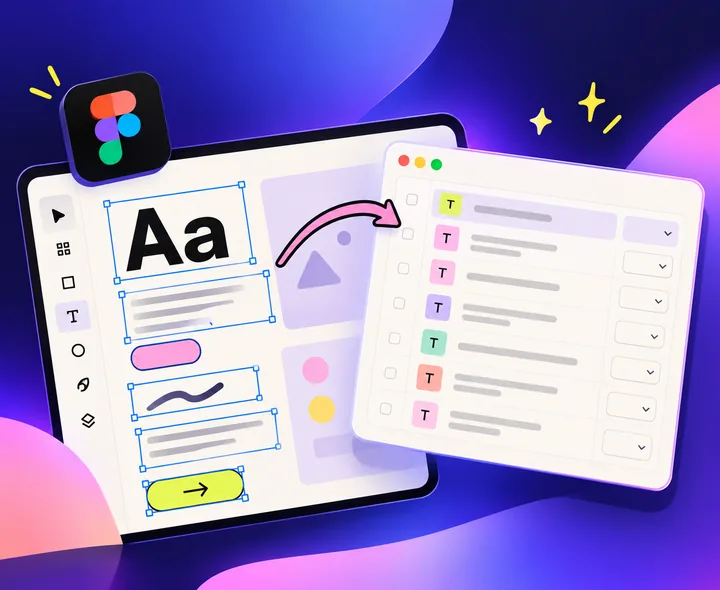
For designers and writers editing copy across a frame.
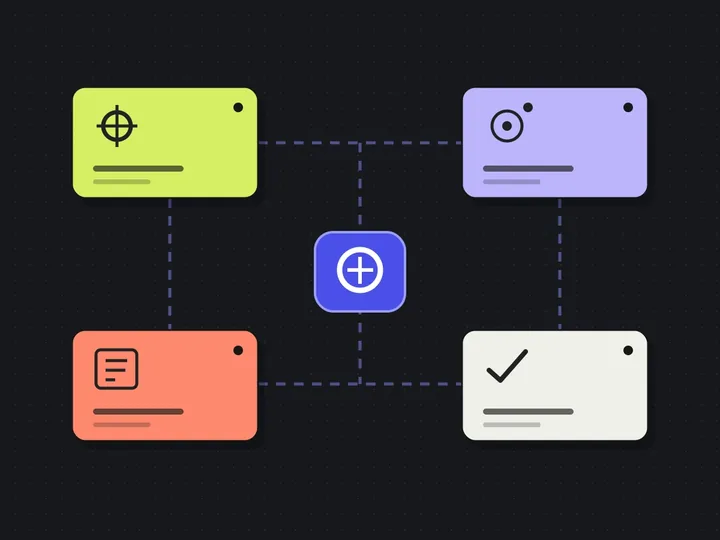
Four specialized agents. One smarter design workflow.