Cat Invaders
Arcade shooterA feline fleet descends. Hold the line.
Arrows · Space · P · Touch
Play now

Something rare is loading.
0% · summoning #001
I make complex products feel simple: platforms, fintech, design systems, zero-to-one. I lead the design, build the system and ship, with AI in the workflow and craft intact.
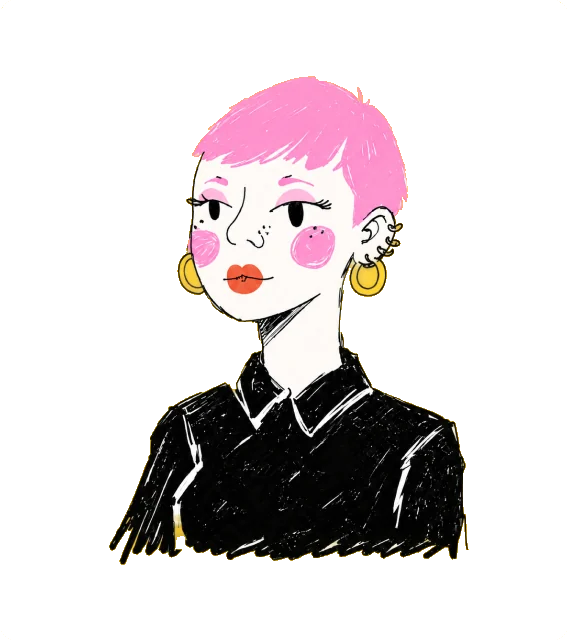
The person behind the pixels.
Lead Product Designer with 12+ years turning complicated products into experiences people actually understand.
Oumla
Primary designer across a tokenized finance suite: three design systems, three products, English and Arabic RTL.
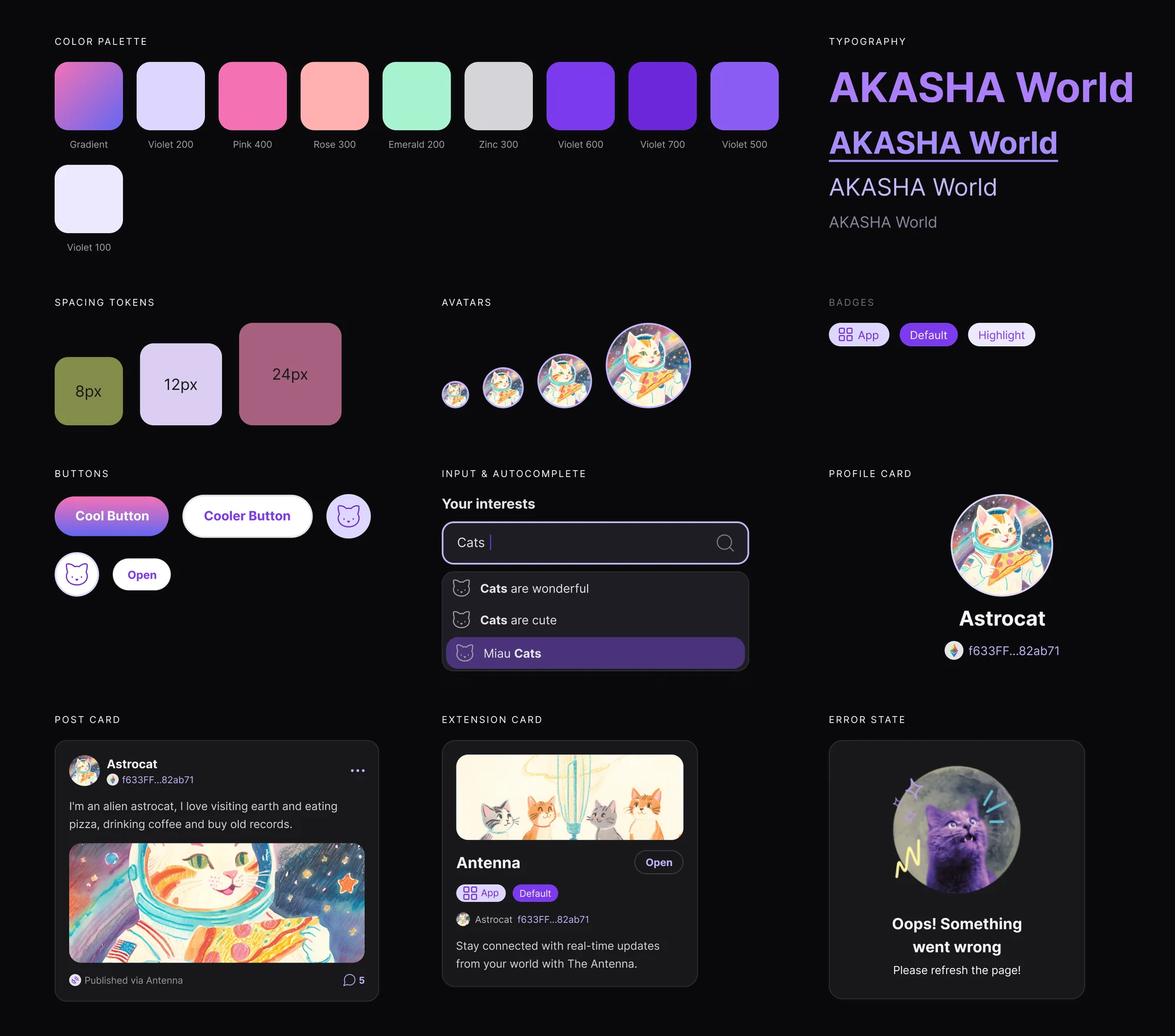
AKASHA World
Eight composable apps. One coherent social platform you own.
 Rare
RareAKASHA UI System
An open-source component library the whole ecosystem builds on.
World Builder
Deploy a decentralized world without writing a line of code.
Strands Labs
One white-label platform for banks. Four products, 20+ languages.
Seven real projects, each a card. Open one for the whole story: the challenge, what I led and what shipped.
After the collection: The PurrcadeOumla
Primary designer across a tokenized finance suite: three design systems, three products, English and Arabic RTL.
AKASHA World
Eight composable apps. One coherent social platform you own.
RareAKASHA UI System
An open-source component library the whole ecosystem builds on.
World Builder
Deploy a decentralized world without writing a line of code.
 Uncommon
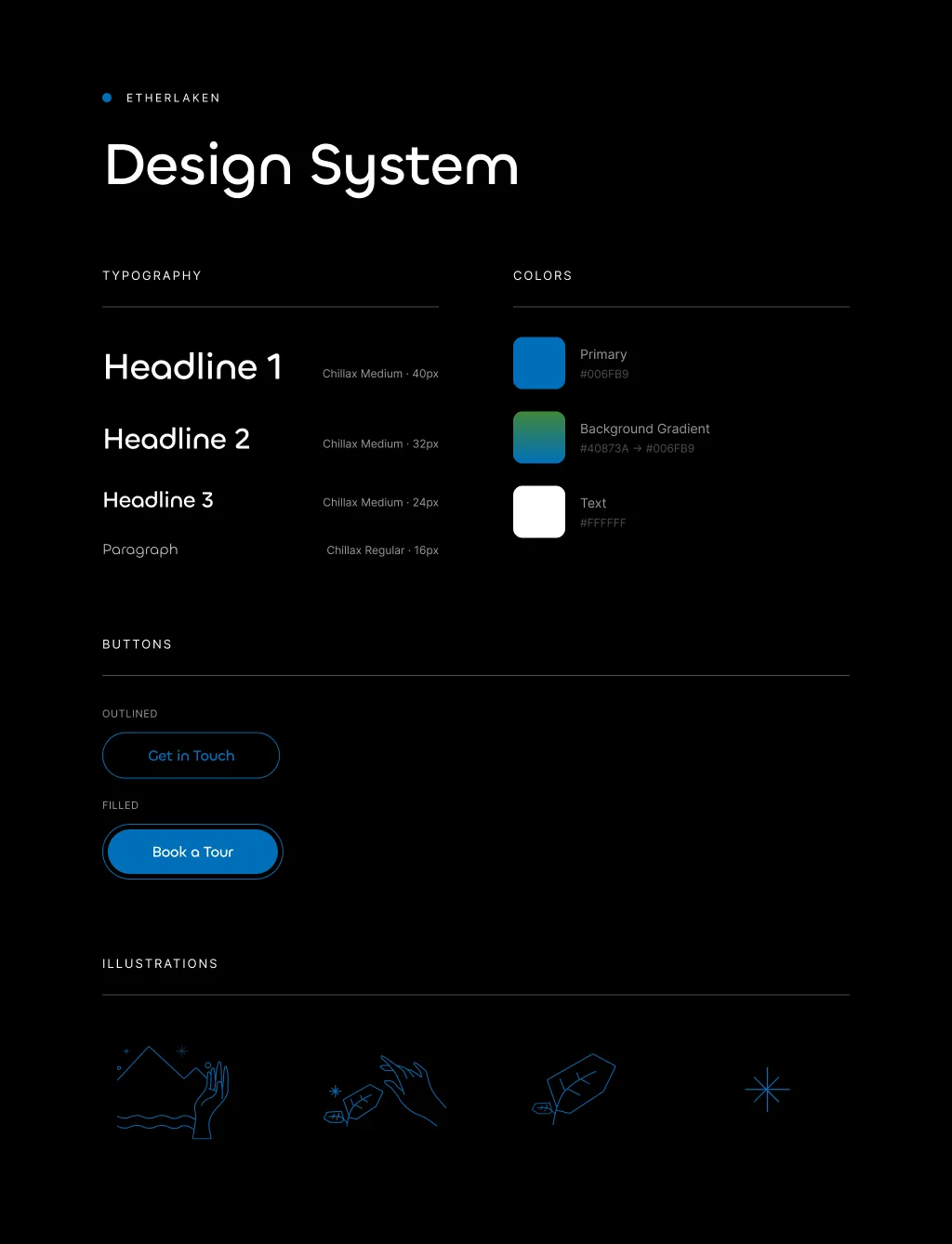
Etherlaken
Concept, identity, IA, design and handoff. One two-week sprint.
Strands Labs
One white-label platform for banks. Four products, 20+ languages.
SEAT & CUPRA
Four automotive products, two brands, one bidirectional configurator.
No cards in that category yet. Try another filter.
Tiny games. Big meow energy.
A playful corner of my portfolio for things I build just because they're fun.
#004 · Financial Strategist · Rare · March 2026 to present
Primary designer across Oumla's product suite: product UX, design systems and marketing material, delivered bilingually in English and Arabic RTL.
Lead Product Designer (part-time contract) · OumlaLead Product Designer, part-time contract since March 2026. Three products, three design systems from scratch built with AI and agents, website pages, booth materials, sales and partnership decks, and templates for the business team.
StatusOngoing engagement. Screens stay private while the contract runs; scope and products are listed below.
Oumla
Primary designer across a tokenized finance suite: three design systems, three products, English and Arabic RTL.
The card carries what can be shared today. Ask me about the rest.
Loose, inconsistent product files across a suite of tokenized finance products, with regulatory weight, institutional users and Arabic RTL as a hard requirement.
All product design across the suite: product UX, design systems and marketing material, bilingual in English and Arabic RTL.
Three design systems from scratch (TFM, Dashboard and Bahith), built with AI and agents, RTL as a first-class deliverable, website pages for the revamp, booth materials, sales and key-partnership decks, and templates for the business team: slides, documents and official documents.
From complex financial workflows to shared product foundations.
As Lead Product Designer I lead design across Oumla's tokenized finance products: product UX, the design systems underneath them, and the marketing and communication material around them, delivered in English and Arabic RTL. Three of the products are below; the role spans the whole ecosystem.
Secondary market trading for tokenized funds, as a white-label platform and a bespoke client version.
My contributionOumla's dashboard, where roles, permissions and members are managed.
My contributionOumla's blockchain explorer.
My contributionInterface screens stay private while the contract runs.
Loose, inconsistent product files became systems engineers build against, each produced with AI and the agents I set up, each approved by me before anything was published.
From scratch, for the marketplace.
The product had no system and inconsistent screens; components and tokens were derived from the designs, then governed.
Same approach: derived from inconsistent designs, rebuilt from tokens up.
The same identity and the same two writing directions carried into everything around the products.
Produced for Oumla's presence at the 20/20 event, on the same identity as the products.
Blog page and OG images on the current landing page; the Products page and six product pages for the revamp; layout experiments for the new site.
The sales deck, the investor deck, the SAB booth deck (Islamic Repo and Tokenized Funds), NHC/Sakani off-plan resale presentations and DDQ responses.
Templates for the business team: slides, documents and official documents, so material across the company shares one system.
Business and investor materials are shown on request.
Claude, through the Figma MCP and Claude Code, does the production-heavy work. I set the direction, approve every decision that shapes the product, and validate what ships.
Product screens are audited into spec cards: what exists, what repeats, what conflicts.
I approve variants, names and tokens. Nothing is built until this is signed off.
The library is built in Figma to the approved spec: tokens bound, components assembled, screens converted to RTL, decks laid out.
Compliance sweeps across files, a final review, then the system, screens and decks ship to engineering and the business.
TFM, Dashboard and Bahith; two of them derived from inconsistent designs with no system.
Across products and documentation, designed in rather than patched on.
Booth materials, the sales deck and key-partnership decks, and templates for slides, documents and official documents.
A repeatable AI-assisted production process lets one designer cover the output of a much larger team, with design decisions kept firmly in my hands.
The person behind the pixels.
Lead Product Designer with 12+ years turning complicated products into experiences people actually understand.
I've shipped white-label banking platforms, decentralized apps, car configurators, e-commerce, taxation tools, education platforms and travel apps. My strength is working through complex projects with many stakeholders and little documentation.
Generalist by nature, with deep design systems expertise. I lead end-to-end, from strategy to pixel, and I build and ship my own products on the side.
Primary designer across the product suite (TFM, Dashboard, Bahith) plus website pages, booth materials and decks: product UX, design systems, marketing material, in English and Arabic RTL. Three design systems from scratch, built with AI and agents; sales and key-partnership decks; templates for the business team: slides, documents and official documents.
End-to-end UX for a decentralized social platform, design team lead, external agencies, design system ownership, foundation events.
Four white-label fintech products: PFM, Engager, BFM, ESG dashboard. Brandable, localizable, accessible component system.
Digital experiences for a global education platform.
Configurator (RTL and LTR), unified search, aftersales research, CUPRA Traveller.
Design systems, MVPs and investor proposals for startups across fintech, SaaS, Web3 and enterprise. Mentoring junior designers.
Taught JavaScript to master's students.
One paid Figma library and three free Figma Community releases. Designed, coded and published by me; every link goes to the product page.
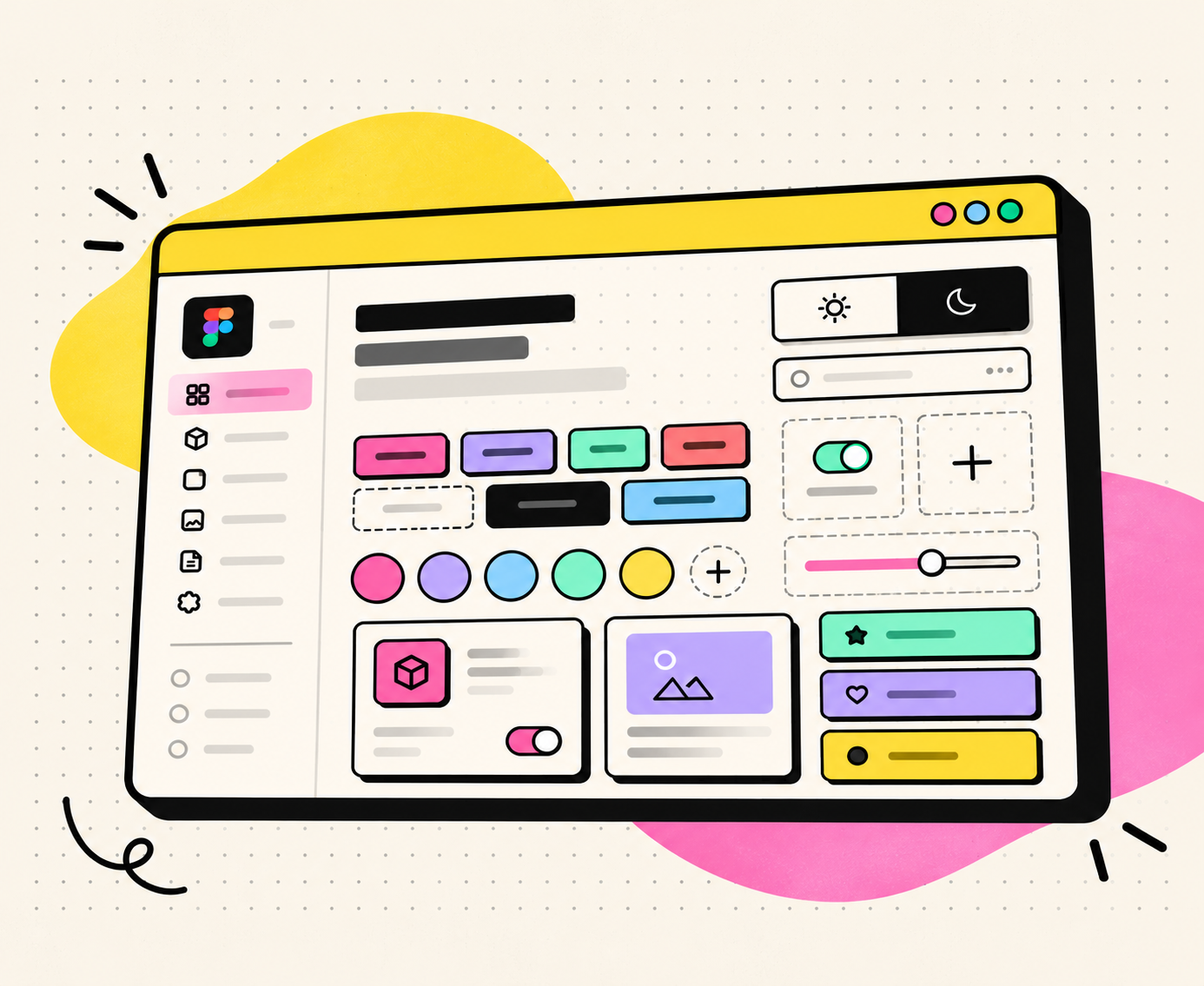
For designers who want a shadcn-style neo-brutalist system with real tokens.
Start a bold interface in minutes with components that already carry variables, modes and states, instead of hardcoded values you have to untangle later.
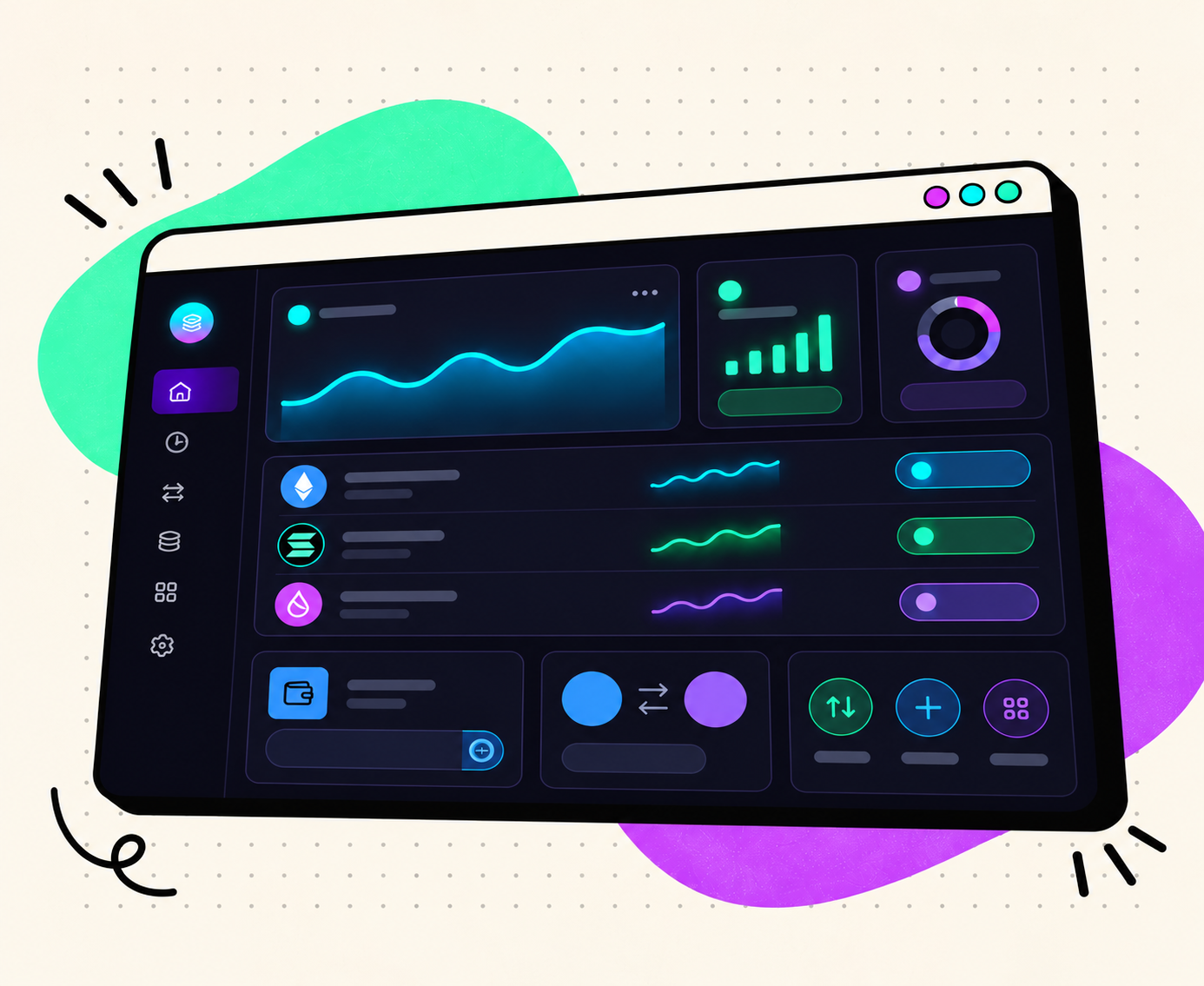
For teams building DeFi and Web3 finance products.
Skip the first month of a DeFi product's design: token cards, swap and transaction flows, wallet connect and dashboards, in dark and light, with numbers that line up.
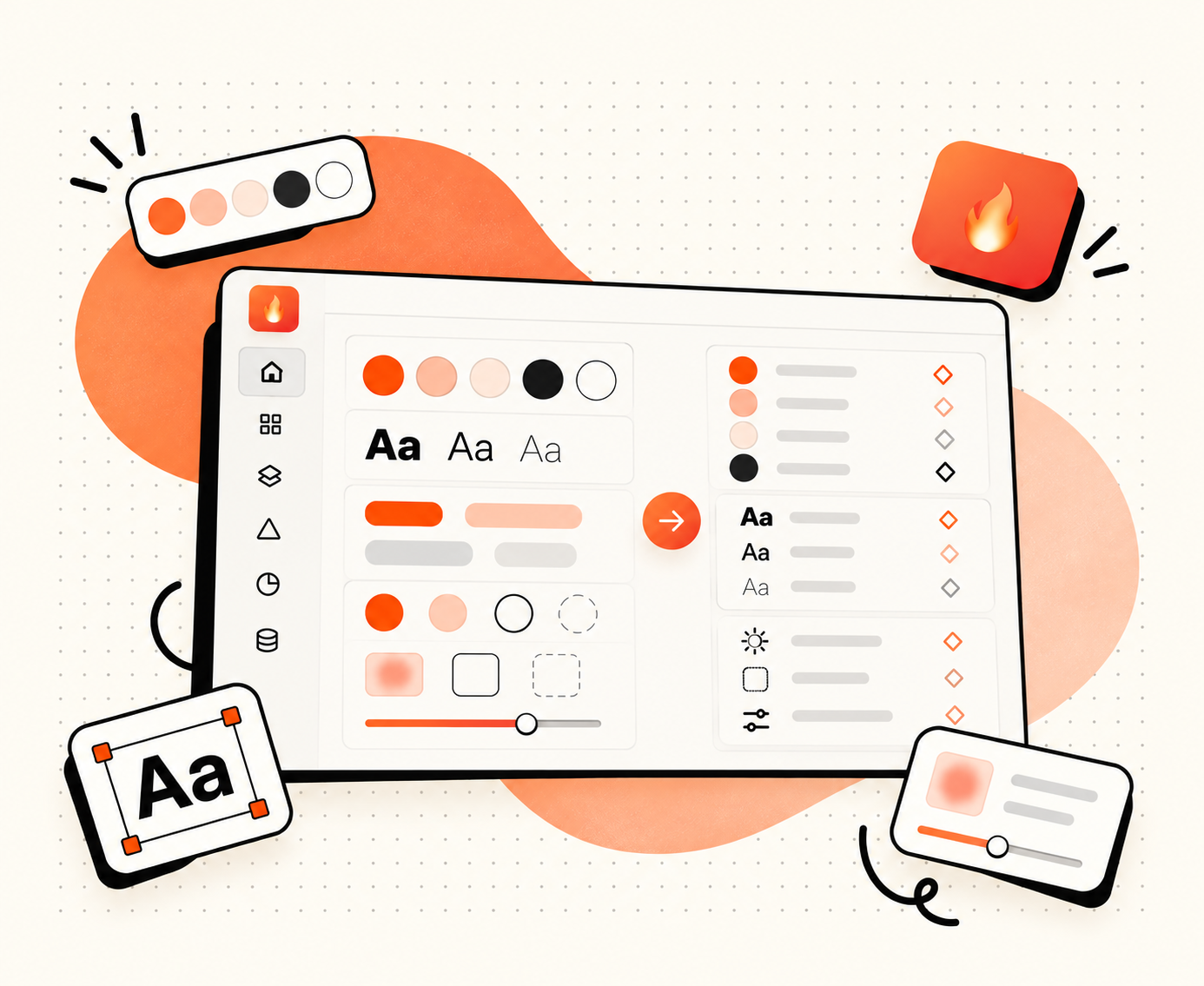
For design system owners migrating existing styles to Figma Variables.
Turn the styles already in your file into Figma Variables in hours, not days. No AI credits: Forge reads what is in your library and works from that.
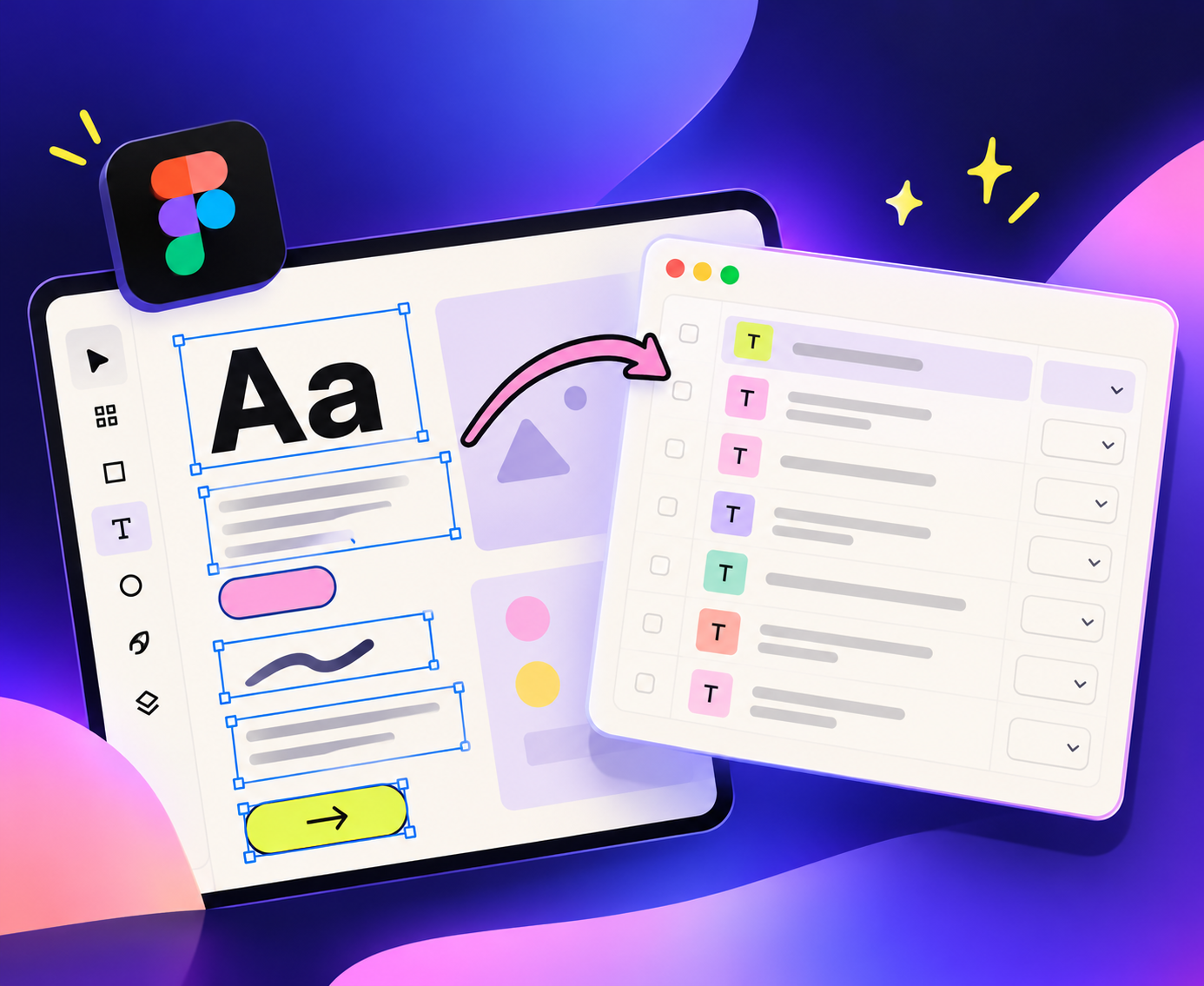
For designers and writers editing copy across a frame.
Edit every string in a frame from one table and write it back to the layers. No more clicking through nested text layers one by one.
Lead Product Designer 12+ years
I lead complex digital products from strategy to shipping: platforms, fintech, design systems and zero-to-one work, with AI in the workflow and craft intact.
Primary designer across Oumla's tokenized finance suite on a part-time contract: product UX, design systems and marketing material, delivered bilingually in English and Arabic RTL.
Primary designer across the product suite: three design systems, three products, English and Arabic RTL.
TFM (trading, approval and settlement flows, TFM Design System), Oumla Dashboard (role-based access control, Dashboard Design System), Bahith (blockchain explorer, design system rebuilt from tokens up). Website pages for the revamp, booth materials, sales deck, investor deck, SAB booth deck, NHC/Sakani presentations, DDQ responses, and templates for the business team (slides, documents, official documents).
Led design across 8 composable apps and the open-source AKASHA UI.
Design team lead, external agencies, design system ownership, four foundation events (ETHBucharest, ETHCluj, ETHDam, ETHWarsaw). World Builder and Etherlaken shipped from the same seat.
Four white-label fintech products for banks, 20+ languages, LTR and RTL.
PFM, Engager, BFM and the ESG dashboard on one brandable, localizable, accessible component system. Insight campaigns launched in about 2 minutes instead of weeks.
Digital experiences for a global education platform.
Bidirectional car configurator, unified search, aftersales research, CUPRA Traveller.
Design systems, MVPs and investor proposals across fintech, SaaS, Web3 and enterprise.
Taught JavaScript to master's students.
English, Spanish, Arabic, Catalan
Spain, working worldwide, remote-first. Open to full-time roles and contracts.
Want the full story? hey@basma.design or the seven case studies.
For product leadership, ambitious projects, and interesting collaborations.